
Slupetzky sat at his old typewriter and looked through his skylight into the spring evening sky. Recently, the Polish children’s book author Janosch had come to his mind. Slupetzky’s favourite stories by Janosch were those of the little bear and the little tiger, who experienced the most exciting adventures together.
The most touching of these stories was called “Oh, How Beautiful Is Panama”, in which the little bear and the little tiger found a banana box that came from Panama and smelled of that strange land. So the little bear and the little tiger set off to discover this wonderful country. After all sorts of adventures along the way, in the end they finally arrived in Panama: it was their own home.
Slupetzky felt the same way as the little bear and the little tiger. His home was Vienna and his Panama was Ecuador, the “banana republic” on the Pacific coast of South America. Vienna was his birthplace, Ecuador was his home in his heart. That tropical country on the equator had saved him as a young man. During his studies he had interrupted his life in Vienna to live and work in Ecuador.
When he returned to Europe after half a year, he had changed in a way he would describe as tragic. From that moment on, no adult European could understand his childlike spirit anymore. He had found his paradise in Ecuador and lost his heart there. In Europe he was now a stranger, especially in his hometown of Vienna.
Vienna was a specialty in itself. “Vienna is different,” was the political slogan about it. Vienna was the most liveable and at the same time the most unfriendly city in the world. This paradoxical fact had been proven in several worldwide surveys. Anyone who could not grasp this absurdity had no chance in this city. The “Golden Viennese Heart” shone golden, but in truth it was made of hard metal. In Vienna only those could become native who were not at home here. The consequence was that everyone here was a stranger among strangers.
So after his youthful return from South America, Slupetzky became a stranger in his own hometown. He tried to deal with it in a suitable way throughout his adult life. In particular he lived again and again outside Vienna, in various countries of Europe. But his South American heart remained alone and foreign there too. Wherever he went, he remained a permanent outsider.
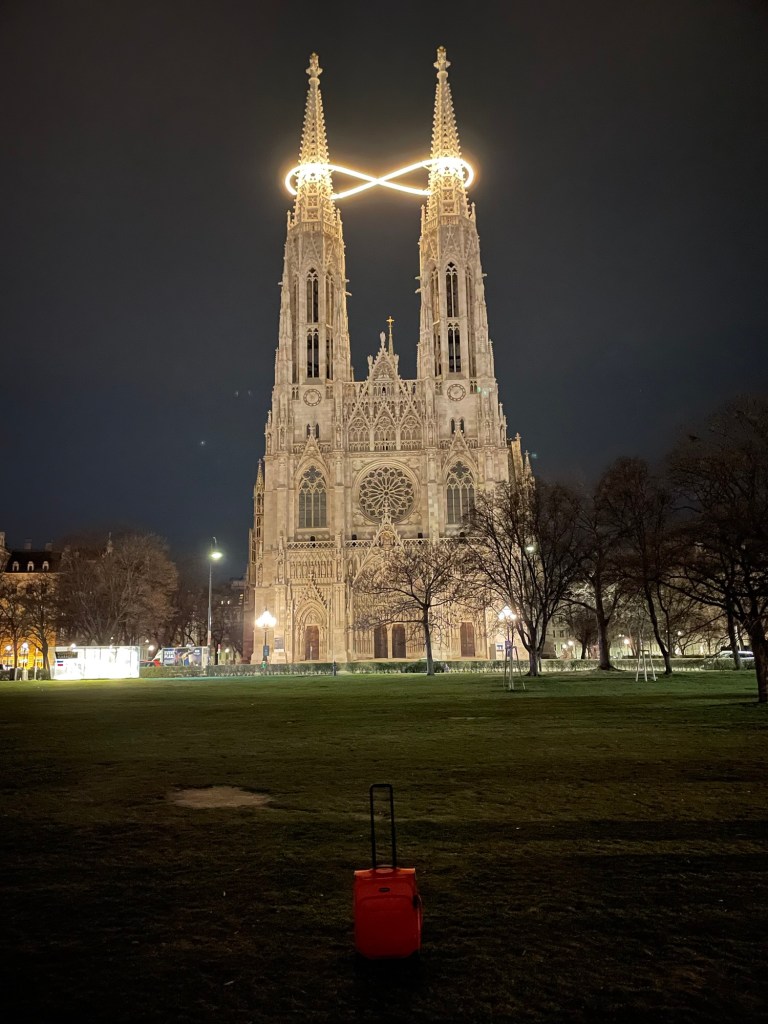
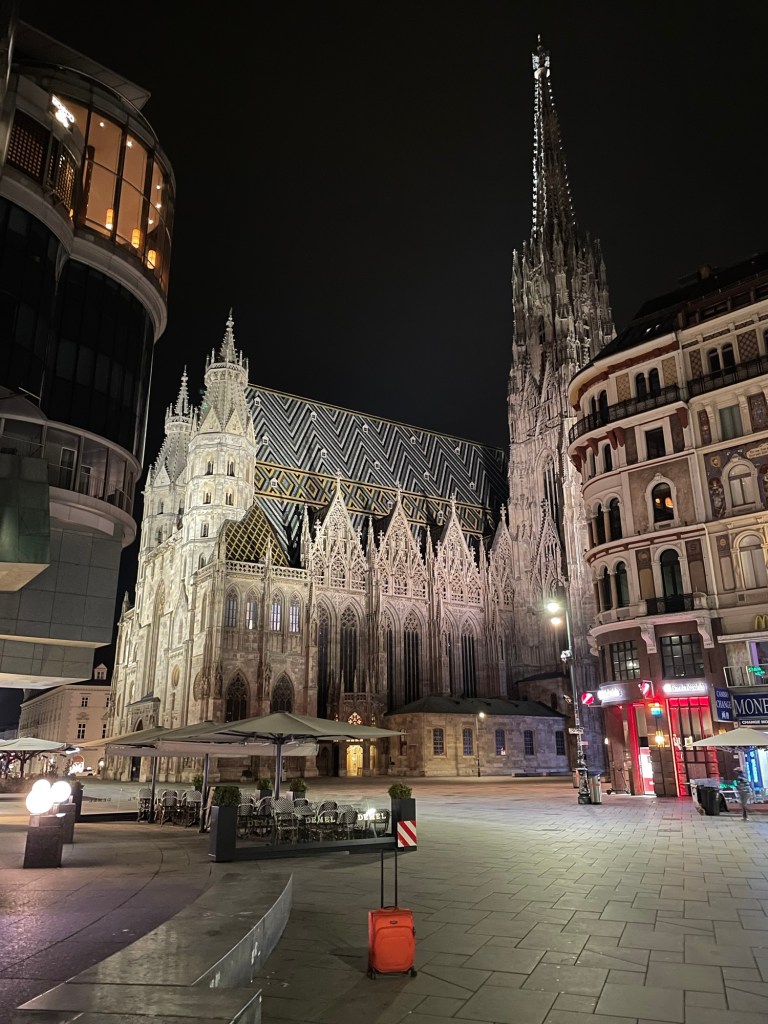
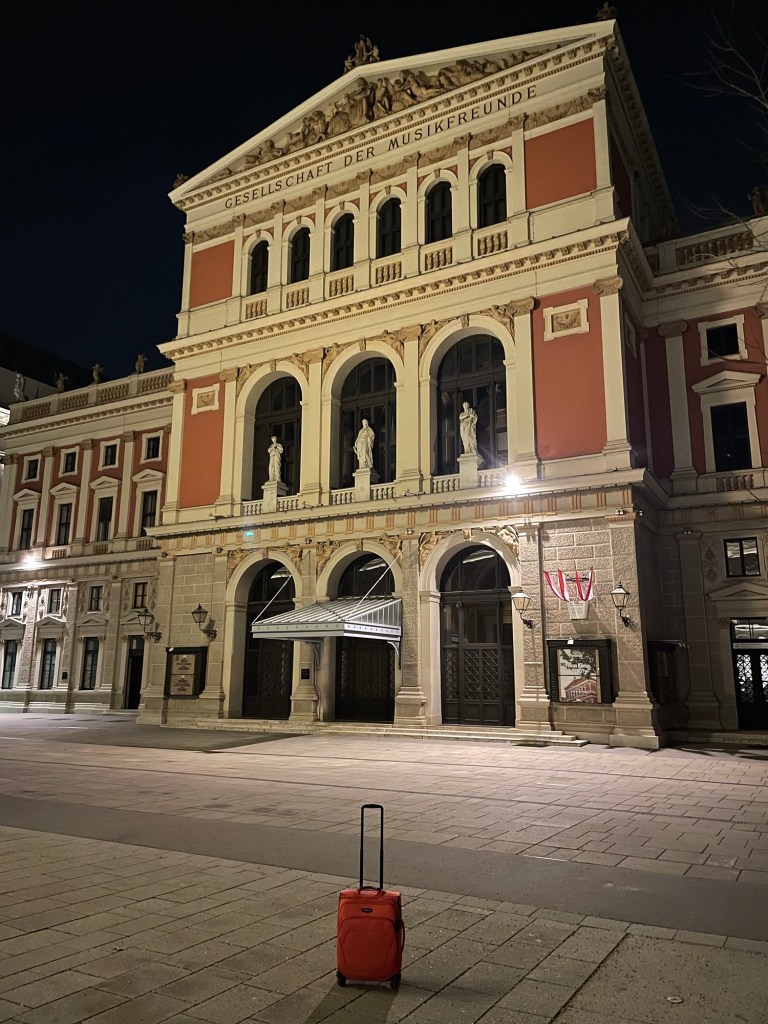
Now he sat there, directly under his skylight under the European evening sky and began to dream. Like the little bear and the little tiger in Janosch’s story, he suddenly smelled the scent of the wide world, which in his heart was his true home. Ecuador, the land of bananas, the land of his dreams, the land of his longing, the land of his love. So he packed his small suitcase with the bare essentials, left his apartment, closed the door behind him and drove out to the airport.
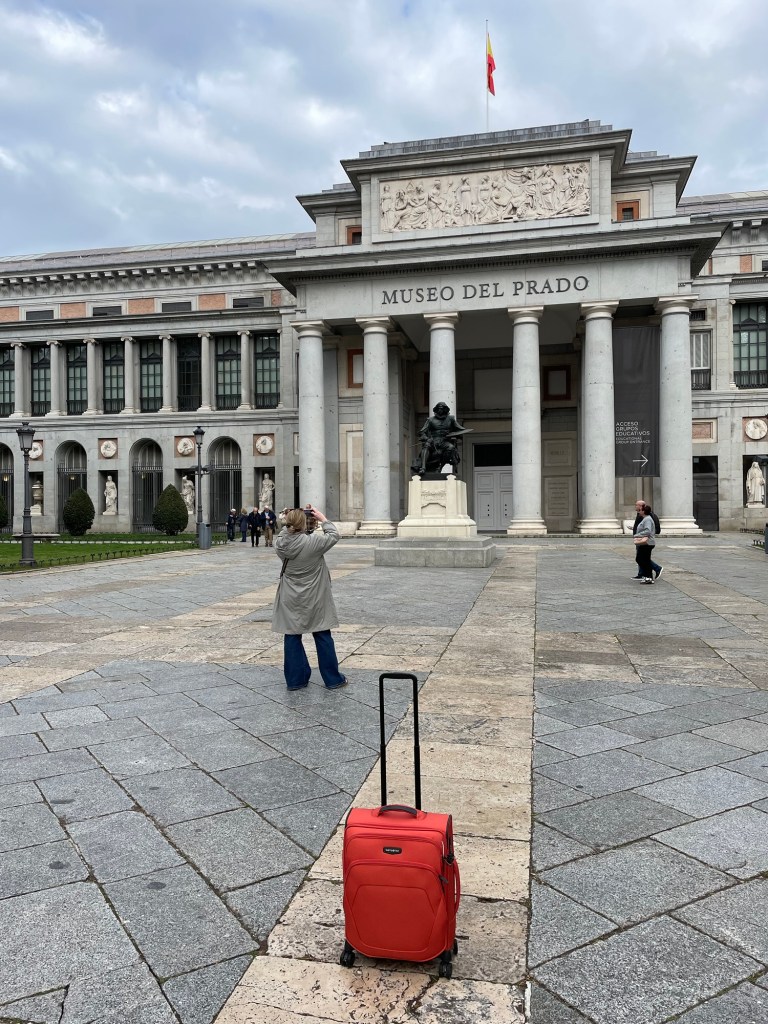
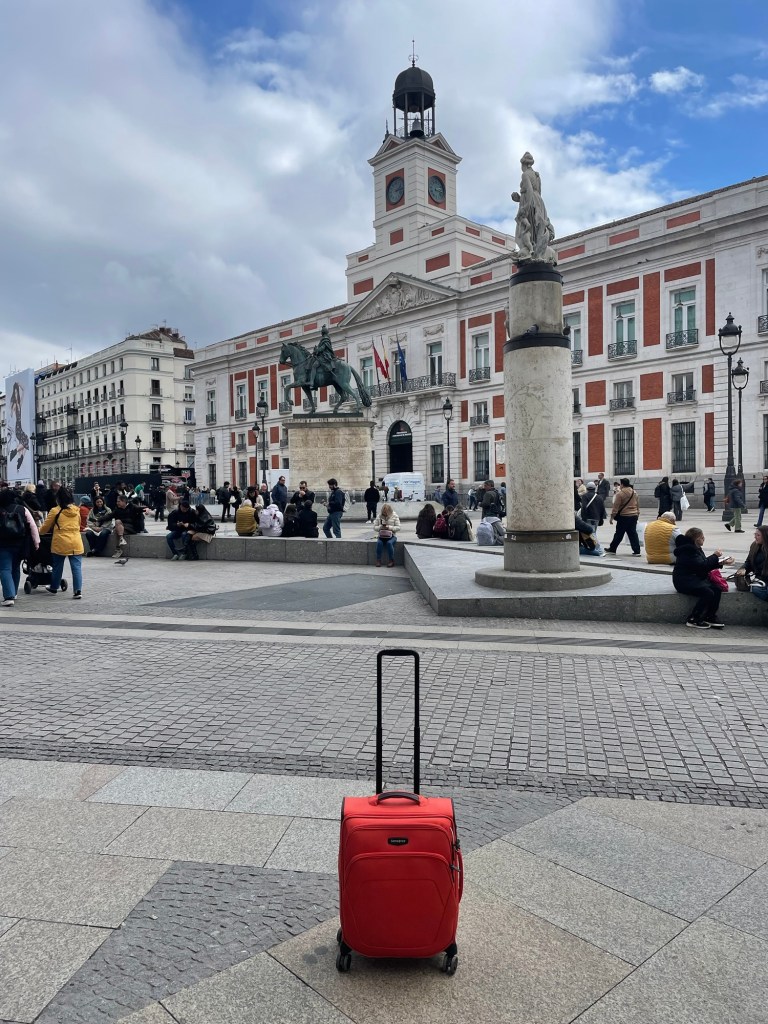
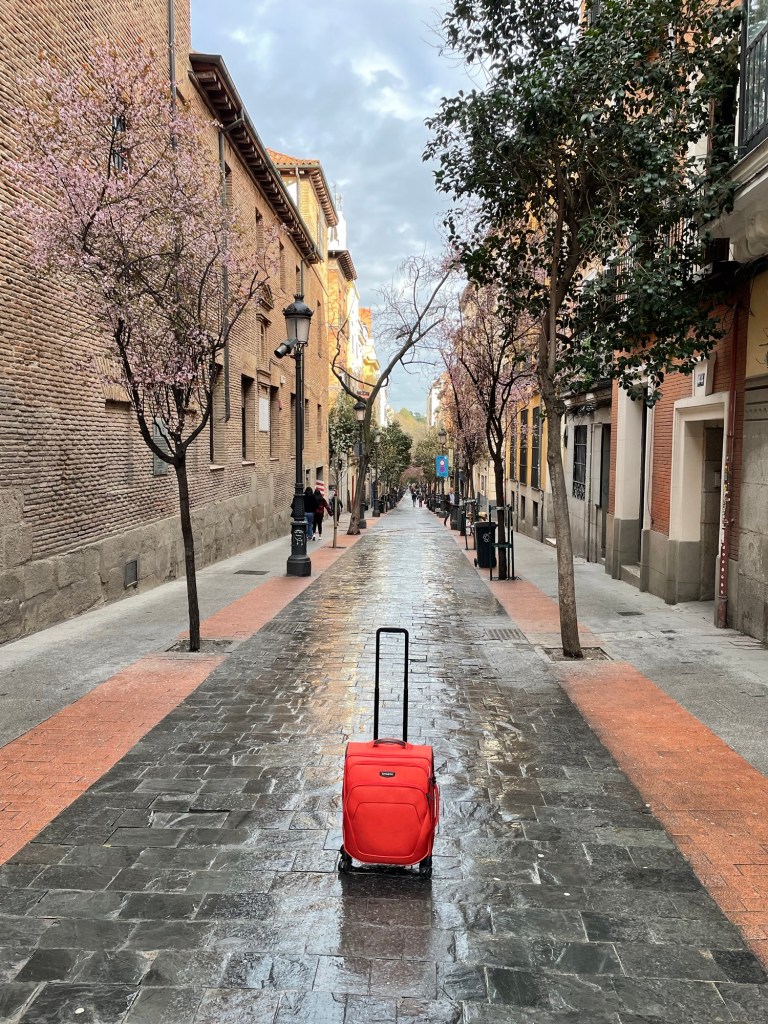
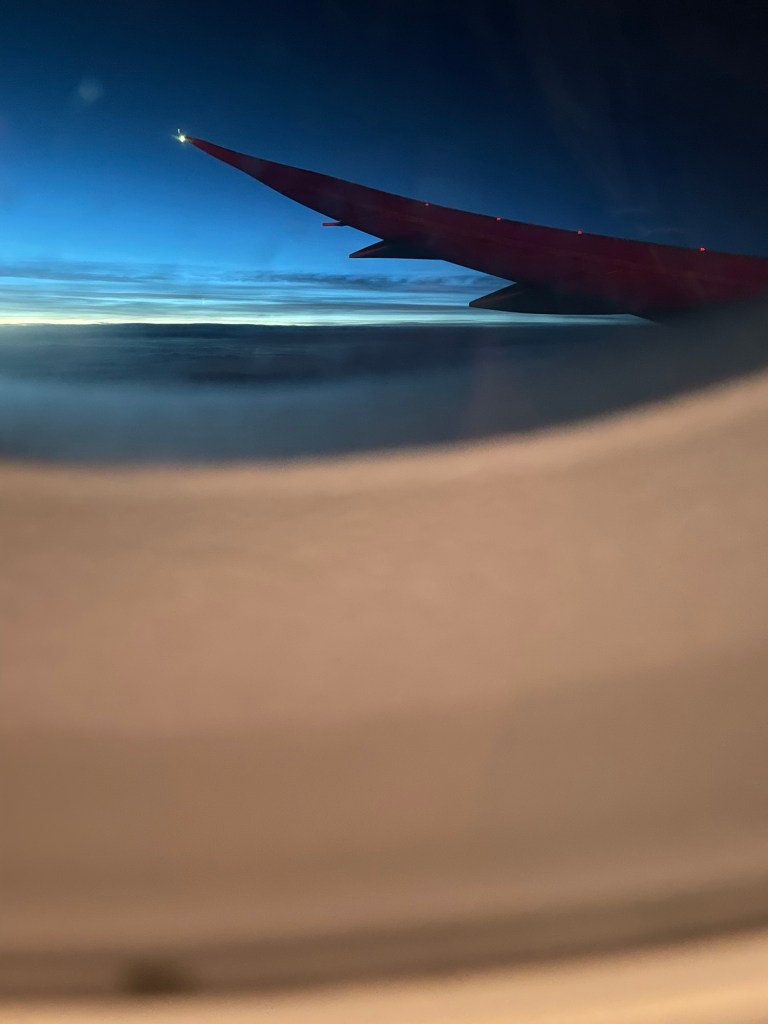
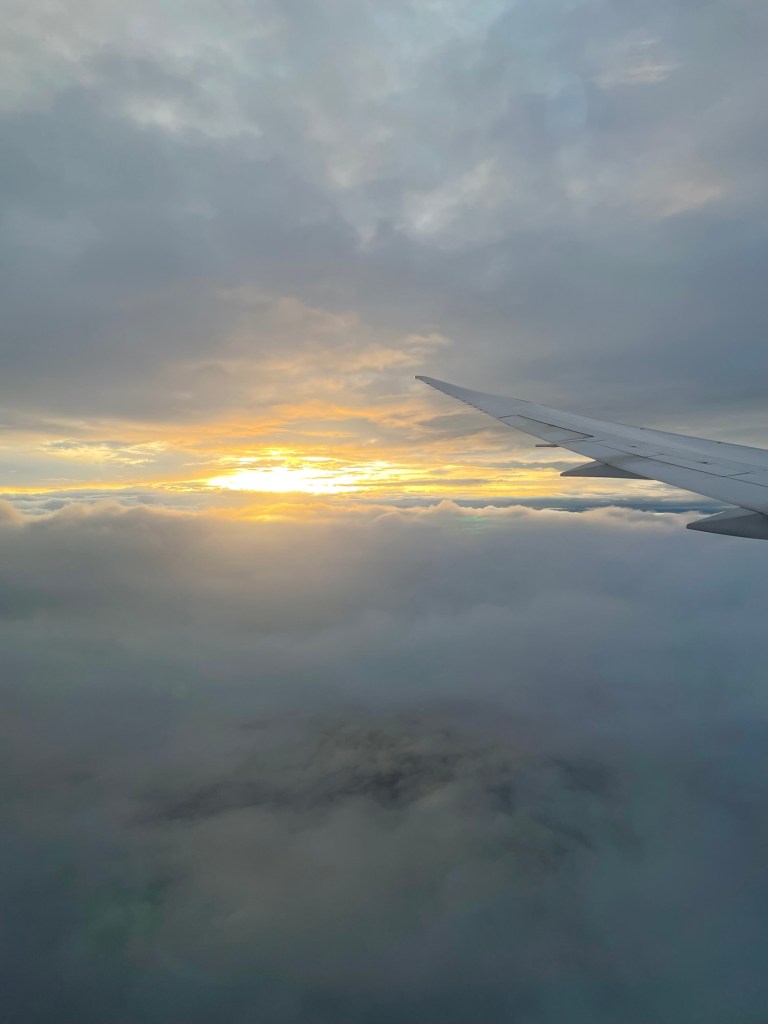
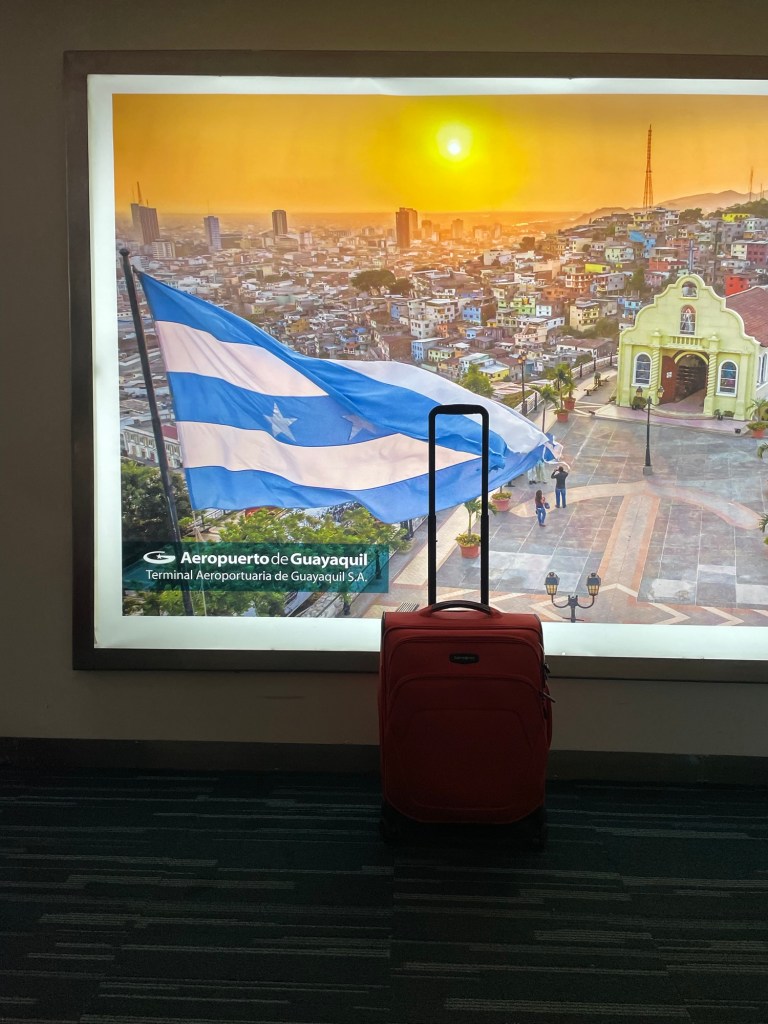
After arriving there he boarded the first morning flight to Madrid, where he spent one more beautiful last day in Europe. Shortly after midnight he flew on across the Atlantic to South America. When he landed in the New World, the sun was just rising over the Andes. He would return to Europe again and again, that was clear. But finally he had arrived, in Ecuador, at home, finally, al fin.
—
Ecuador I: The Brain
(MP3-Audio, 02:35 min)
—
Ecuador II: The Heart
(MP3-Audio, 02:05 min)
—
Ecuador III: The Soul
(MP3-Audio, 03:55 min)
—
 Vienna Calling